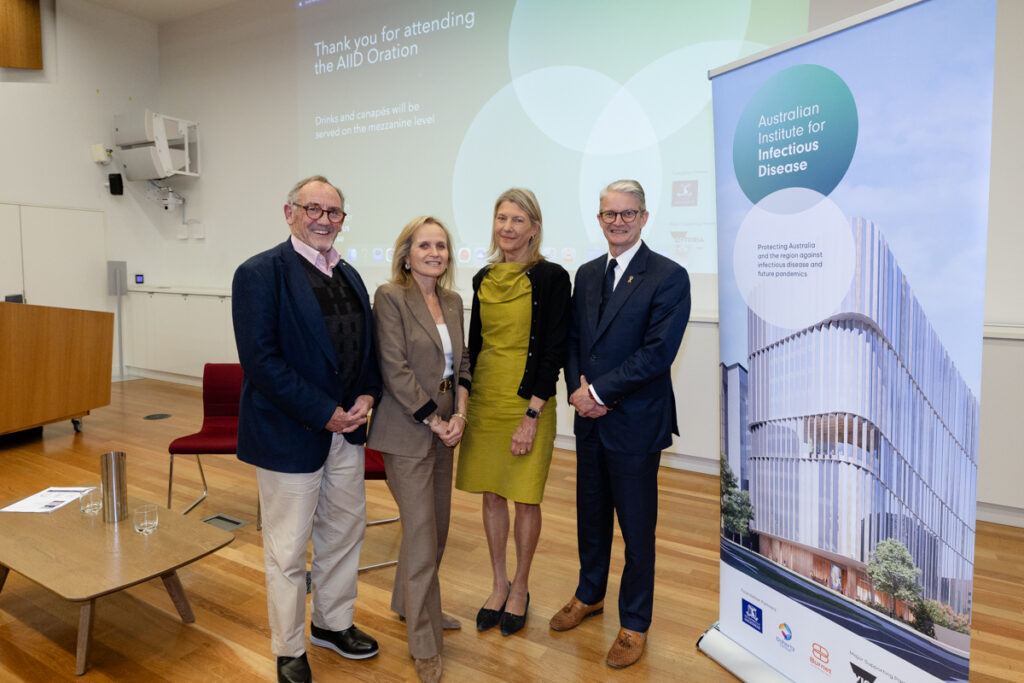
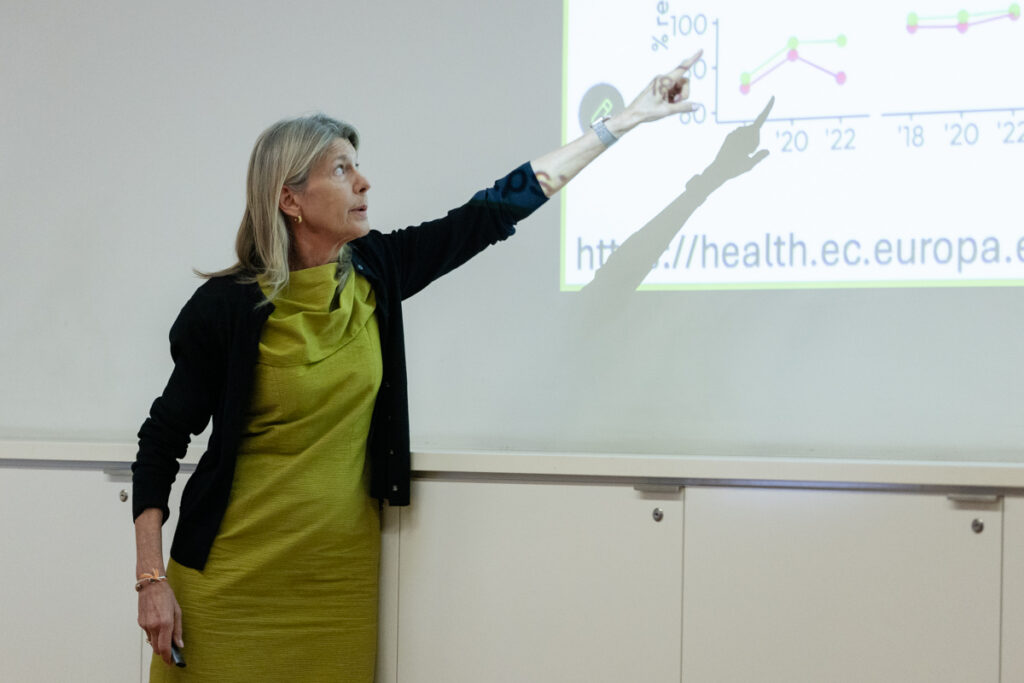
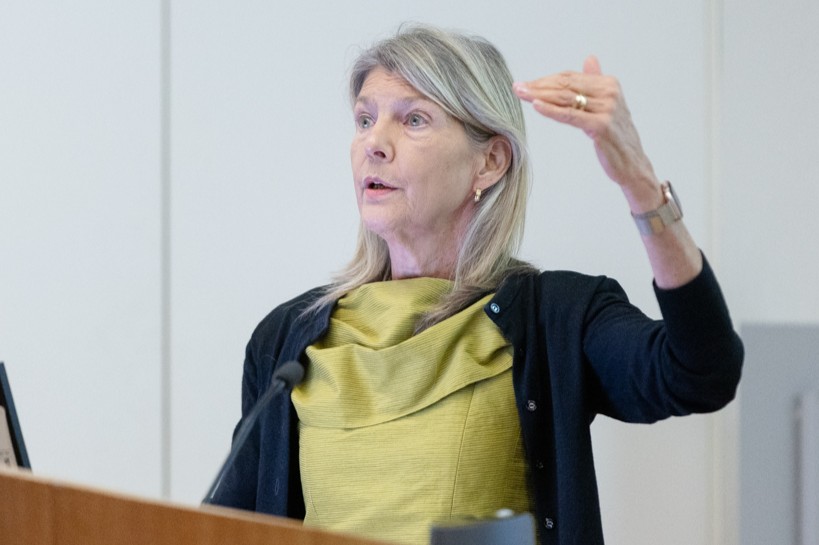
How do we build trust and navigate risk in a viral misinformation environment? That was the challenge addressed at the 2026 Australian Institute for Infectious Disease Oration by Professor Heidi Larson.
Professor Heidi J. Larson PhD is Professor of Anthropology, Risk, and Decision Science, Director of the Vaccine Confidence Project at the London School of Hygiene & Tropical Medicine; Clinical Professor, Institute for Health Metrics and Evaluation, University of Washington; and Guest Professor at the University of Antwerp and KU Leuven.
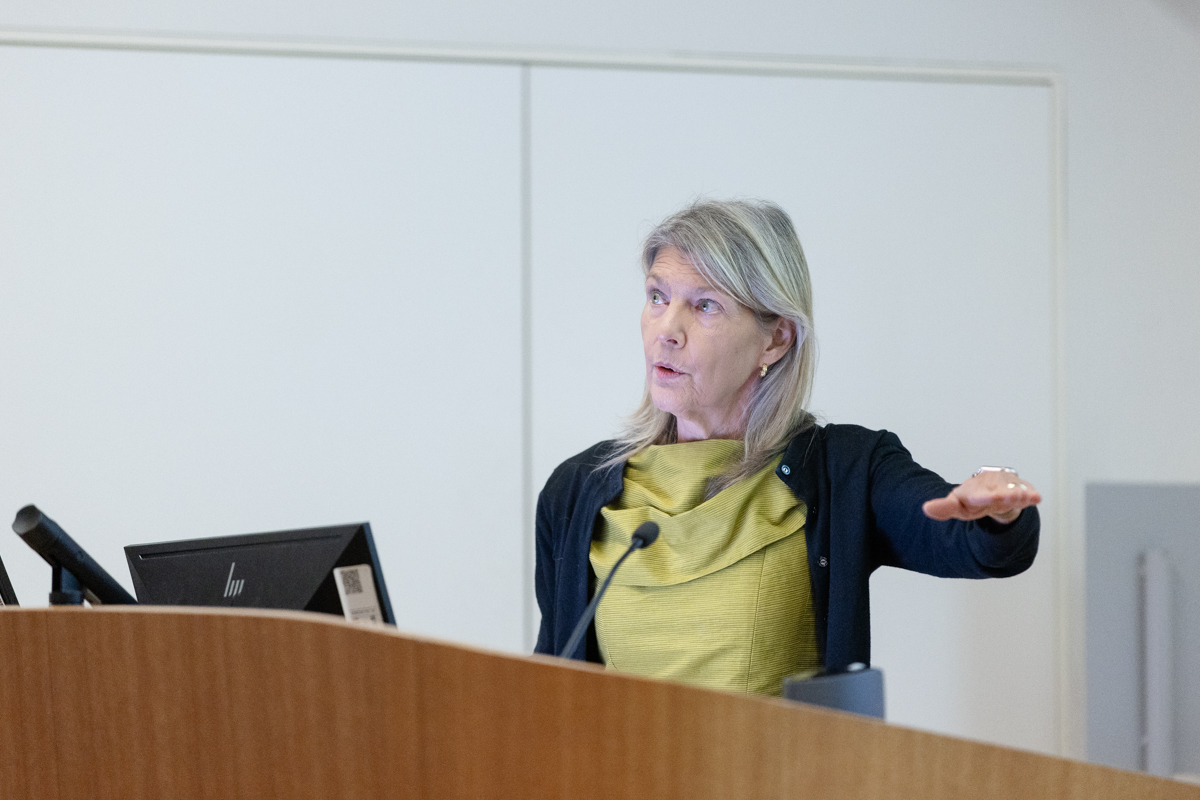
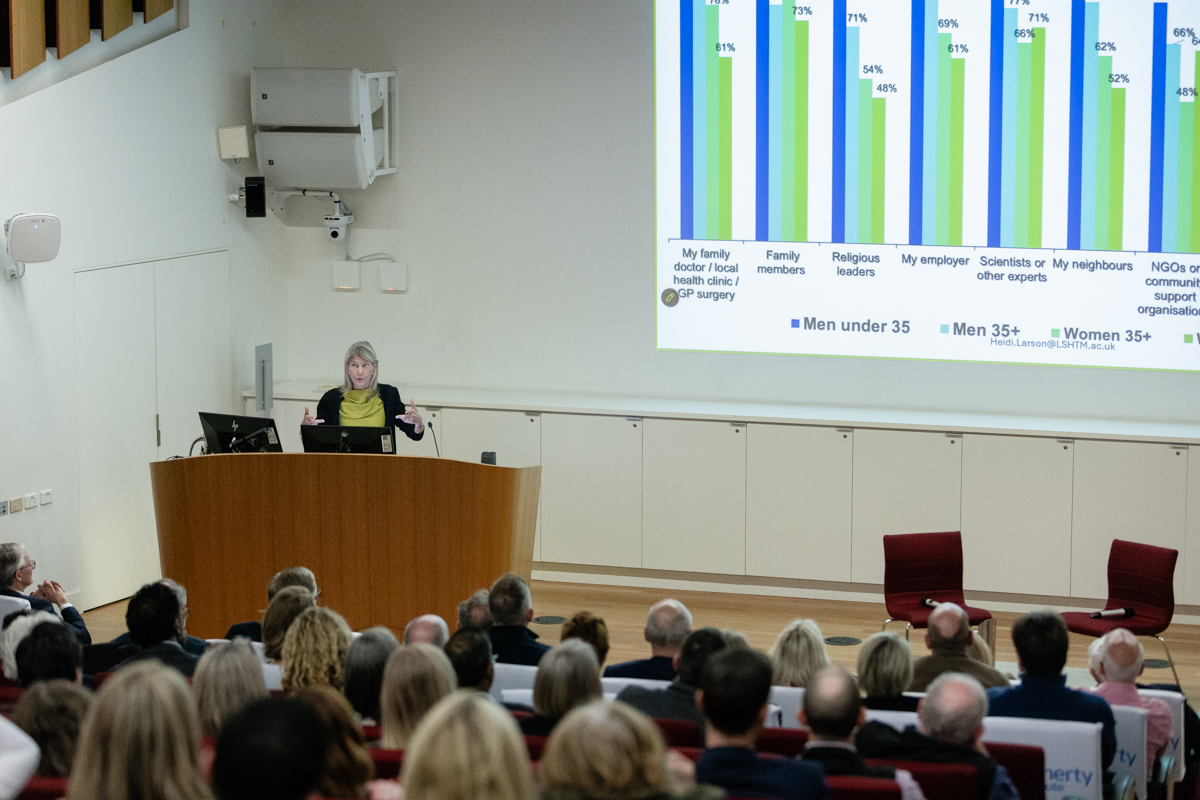
In her oration, Professor Larson presented findings from the Vaccine Confidence Index, which has tracked public attitudes towards vaccination across the world. Her research found that vaccine confidence declined in 52 of 55 countries measured before and after the COVID-19 pandemic.
However, Professor Larson argued that “science’s biggest problem is loss of influence, not loss of trust.” Understanding public confidence requires looking beyond trust in scientists and healthcare professionals to consider the other people and networks that shape decisions, including family, friends, religious leaders and community figures, she said. For public health, this means understanding who people turn to for information and finding ways to engage with the trusted voices already influencing their communities.
Professor Larson also reflected on lessons from the pandemic, drawing on interviews with 71,000 people across 70 countries. Despite different experiences and circumstances, a common theme emerged: people felt they had little voice in the decisions affecting their lives. As she explained, policymakers need to pay attention to what people are experiencing, warning that “if you’re not paying attention to what people are going through, you’re not going to have them with you”. Listening to communities and recognising their concerns, she argued, will be essential to building trust and strengthening responses to future health crises.
Professor Larson called for a more connected approach to tackling misinformation, trust and emotion, rather than treating them as separate challenges. She highlighted the role of fear and anxiety in making people vulnerable to misinformation, while emphasising the opportunity to use positive emotions such as hope to strengthen engagement. For researchers and public health practitioners, the challenge is to combine credible evidence with a deeper understanding of people’s experiences, beliefs and motivations. This will help science not only earn trust but retain its influence in a rapidly changing information environment.
Professor Larson visited Australia as a guest of the Australian Institute for Infectious Disease, a collaborative research initiative between the University of Melbourne, Doherty Institute and Burnet Institute with backing from the Victorian Government.